

ZERAFLOW BLOG
Education, evidence, and updates
Clinical research, patient education, and company news from the Zera Medical team. New posts published as milestones are reached and the science evolves.
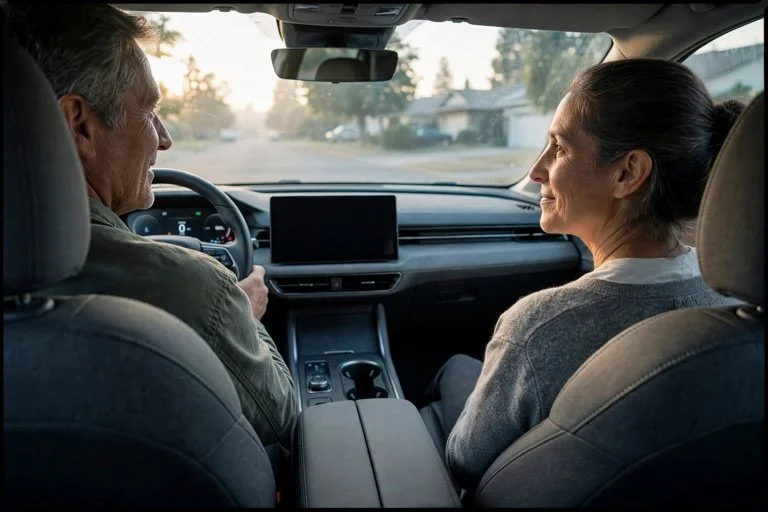
What Colonoscopy Prep Is Really Like: What Nobody Tells You, in Patients' Own Word
They never really prepare you for what to expect." That line, from one of 150 adults Zera Medical surveyed, sums up a gap instruction sheets often leave open. The medicine is explained, but the day is not: the hunger before an afternoon appointment, the long night near the bathroom, arranging a ride home, and wondering whether it worked. This post walks through the prep timeline in patients' own words, what the research says about each stage, and how Zera Medical is working to bring prep out of the home and into the clinic.
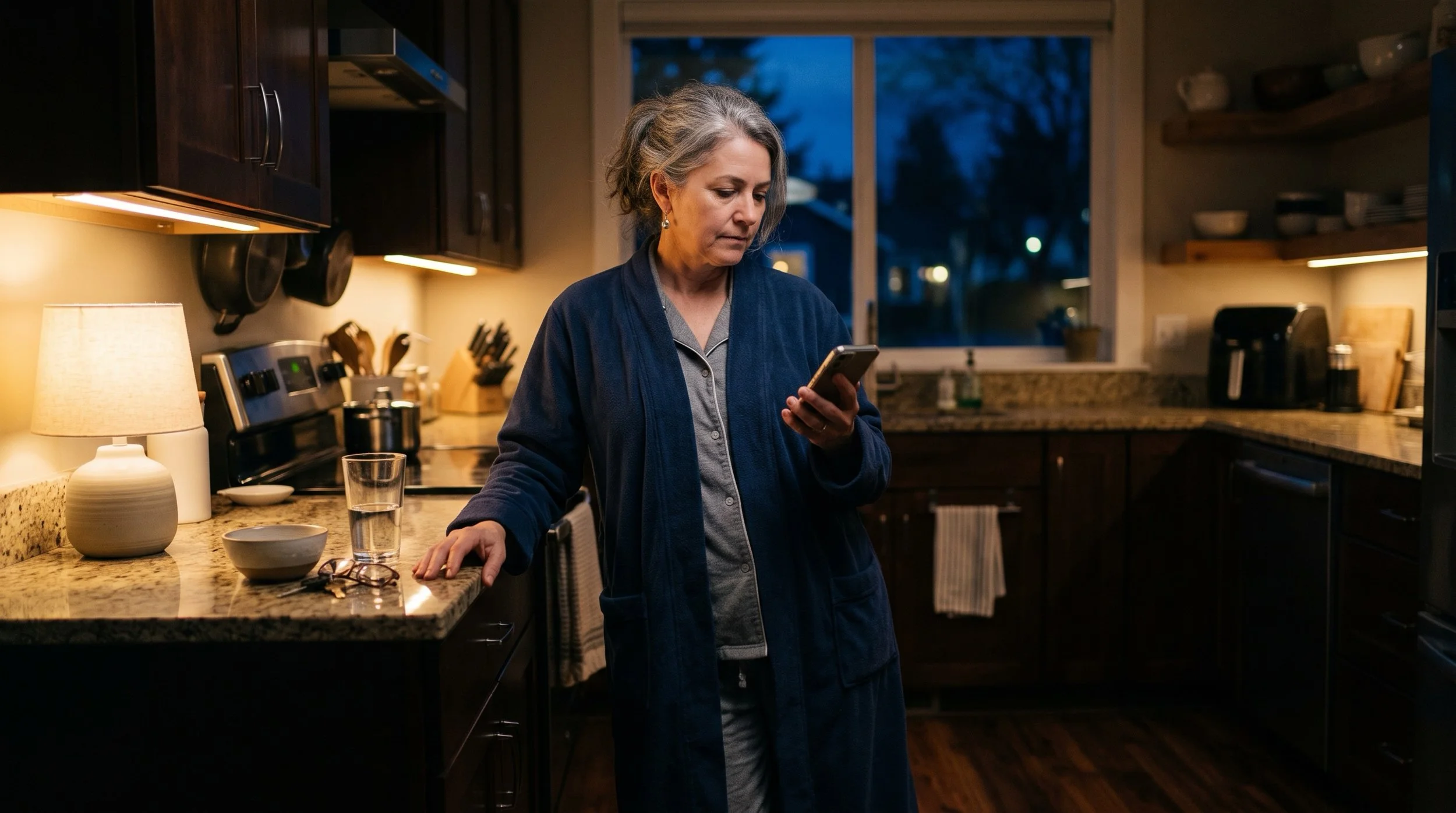
Can't Finish Your Colonoscopy Prep? Here's What Actually Happens Next
Vomiting partway through, running out of time, or staring at results that don't look right, colonoscopy prep fails for a meaningful share of patients, and it happens because it's the only major pre-procedure medical process patients run entirely on their own. This post breaks down why prep commonly goes wrong, offers a quick self-check for anyone mid-prep right now, and looks at how ZeraFlow is designed to bring supervision back into a process patients have been left to navigate alone.

What Happens After a Positive Stool Test
Stool-based tests like FIT and stool DNA have made initial colorectal cancer screening easier than ever. However, nearly half of patients with positive results fail to complete their follow-up colonoscopy within a year, driven primarily by bowel prep dread. This post examines real-world care gaps, the 1.8 times higher cancer risk of stalled care, and how Zera Medical is working to bridge these two vital steps.

A Growing Number of Patients Are Showing Up to Colonoscopy Already Behind
GLP-1 medications like Ozempic and semaglutide are now used by roughly 1 in 8 US adults, concentrated in the exact 50 to 64 age range colorectal cancer screening targets. New research shows GLP-1 users face more than double the odds of inadequate bowel preparation, and clinical guidance on how to manage it is still catching up. This post breaks down the scale of GLP-1 adoption, what the data shows about its effect on prep quality, and how Zera Medical is rethinking the prep process for patients the standard approach has never served well.
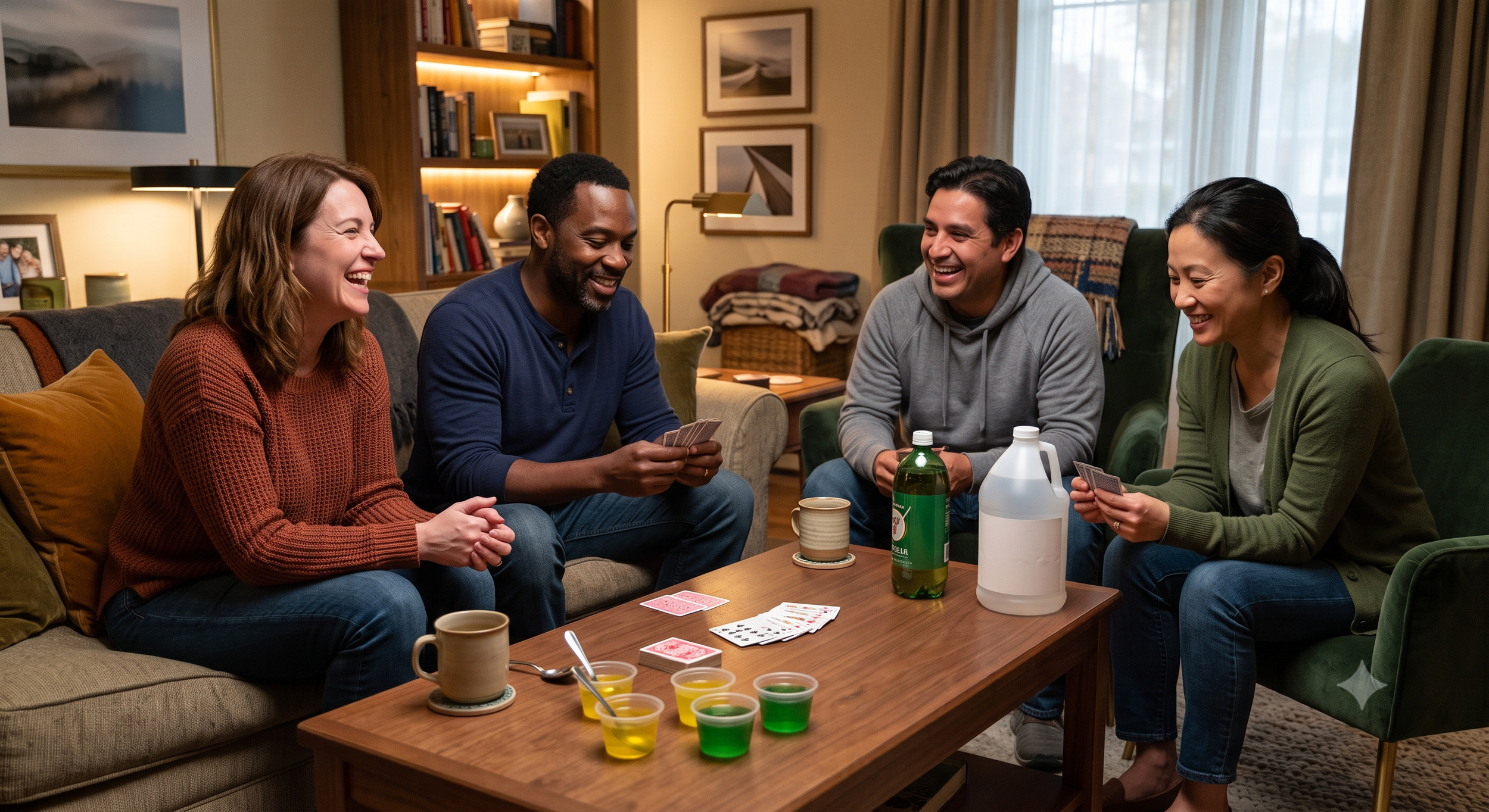
Why Tom Hanks, Steve Martin, and Martin Short Turned Colonoscopy Prep Into a Party
Every couple of years, three of Hollywood's most recognizable comedians turn the night before their colonoscopies into a competition, complete with card games and clear gelatin. It's a funny story, but it points to something serious: bowel prep is still the single biggest reason people delay screening. This post traces the tradition from late-night television to two separate 2024 TV nods, breaks down why the dread is so universal, and looks at how ZeraFlow is designed to move prep out of the home for good.
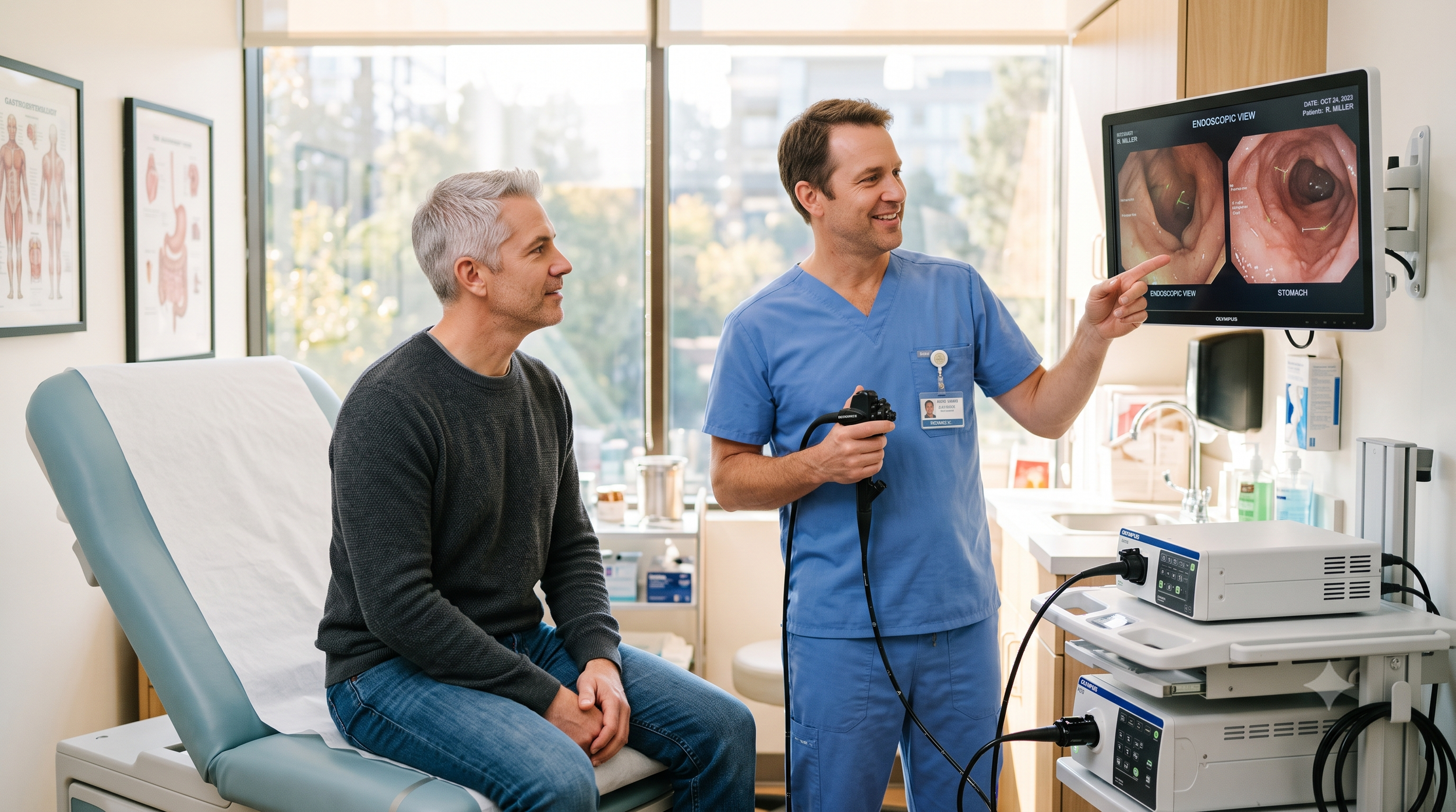
Everything About Colonoscopy Has Improved. Except the Part You Do Yourself.
For more than forty years, nearly every part of the colonoscopy has been modernized: the scope, the imaging, the sedation, even the way quality is measured. The one exception is the preparation, which patients still manage at home much as they did in 1980. This post traces how bowel prep became the last unmodernized step in an otherwise advanced procedure, why that outdated first step quietly undermines everything the technology has gained, and what it means for the millions of people who put off screening because of it.

Colorectal Cancer Is Showing Up Younger. Screening Hasn't Caught Up.
Colorectal cancer is no longer just a disease of older age; cases are rising rapidly among adults under 50, making it the leading cause of cancer death in this demographic. While medical guidelines adjusted by lowering the recommended screening age to 45, actual patient behavior has not followed suit. This post explores the widening generational divide in cancer data, why traditional bowel prep remains the ultimate barrier to early detection, and how Zera Medical is working to reshape the screening experience.
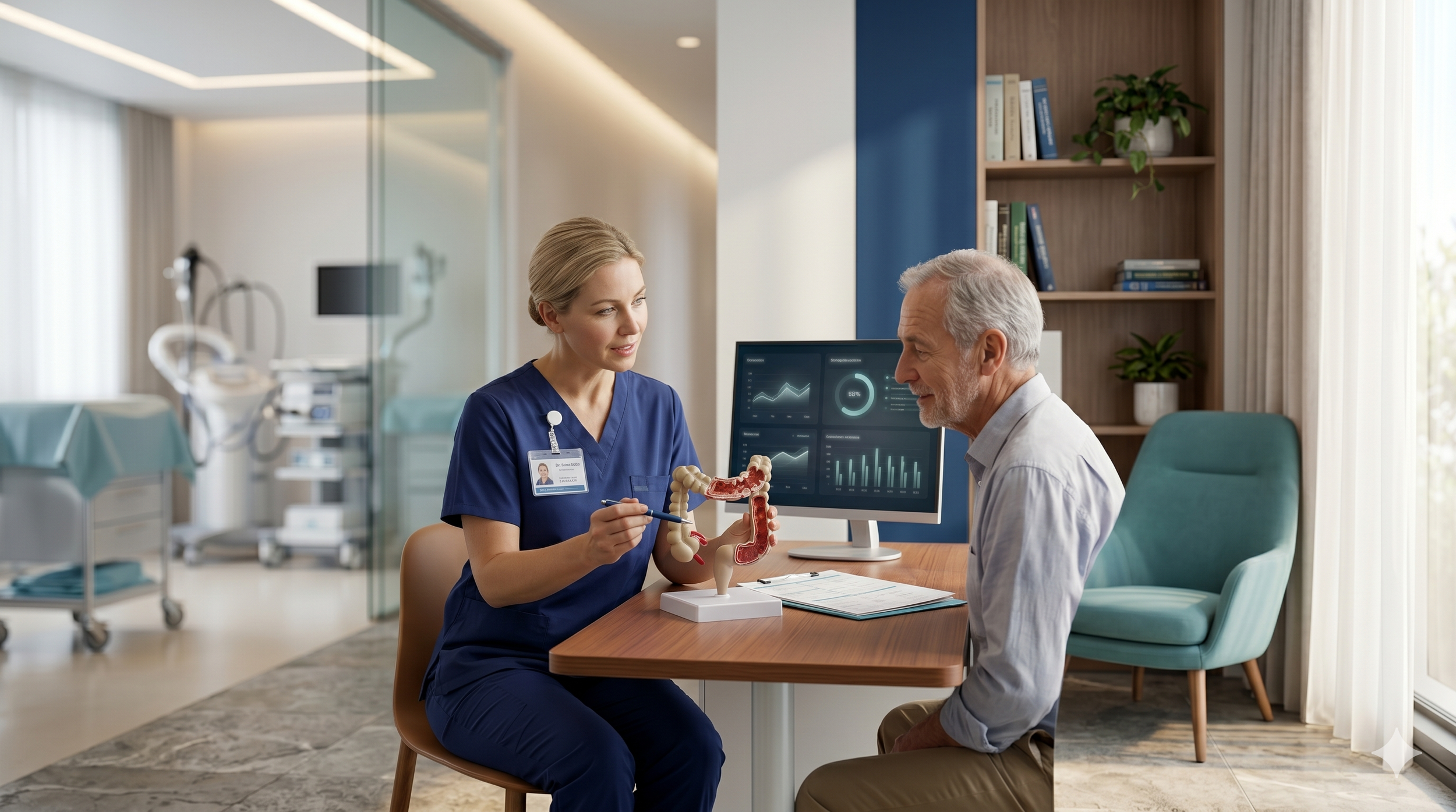
What Happens When Colonoscopy Prep Fails: The Hidden Cost of Inadequate Bowel Preparation
A colonoscopy is only as good as the prep that comes before it, and up to a third of procedures are compromised by inadequate bowel preparation before the scope is ever advanced. This post breaks down what that failure actually costs: missed lesions, repeat procedures, destabilized clinic schedules, and real erosion in screening economics. It makes the case that inadequate prep is a structural problem built into the at-home model, not a patient failure, and points to ZeraFlow as a clinic-based way to fix it at the source.

Why Do So Many People Avoid Colonoscopy? The Prep Problem, Explained
Most people who put off a colonoscopy aren't afraid of the procedure. They're avoiding the prep, and the research backs them up: only about a third of newly eligible adults are getting screened, with the at-home preparation cited as the barrier patients dread most. This post looks at why traditional prep drives avoidance, how skipped or failed screenings translate into missed cancers, and why fixing the prep may be the highest-leverage step in colorectal cancer prevention. It also introduces ZeraFlow, our clinic-based approach to removing that barrier.