

A Better Way to Prep
ZeraFlow aims to improve on traditional bowel preparation with about a 30-minute, clinically supervised warm-water cleanse performed immediately before colonoscopy.
71% of colonoscopy patients say the prep is the worst part.¹ For millions, it’s why they delay or avoid screening altogether. ZeraFlow was built to change that.
THE COMPARISON
Traditional Prep vs. ZeraFlow
| Traditional Oral Prep | ZeraFlow | |
|---|---|---|
| The day before | Liquid or Oral laxatives limiting mobility away from home | OTC laxative with no impact to daily routine² |
| Where prep happens | At home, alone, uncontrolled | At the clinic, staff-supervised |
| Time commitment | 24-48 hour home prep | Arrive 60 minutes prior to colonoscopy |
| Side effects | Nausea, bloating, sleep disruption | Warm water, minimal discomfort³ |
| Dignity | Hours spent near a bathroom | Private, supervised clinical setting |
| Prep adequacy | 30% inadequate prep⁵ | 89.4% adequate prep⁴ |
Three steps. That is all.
-
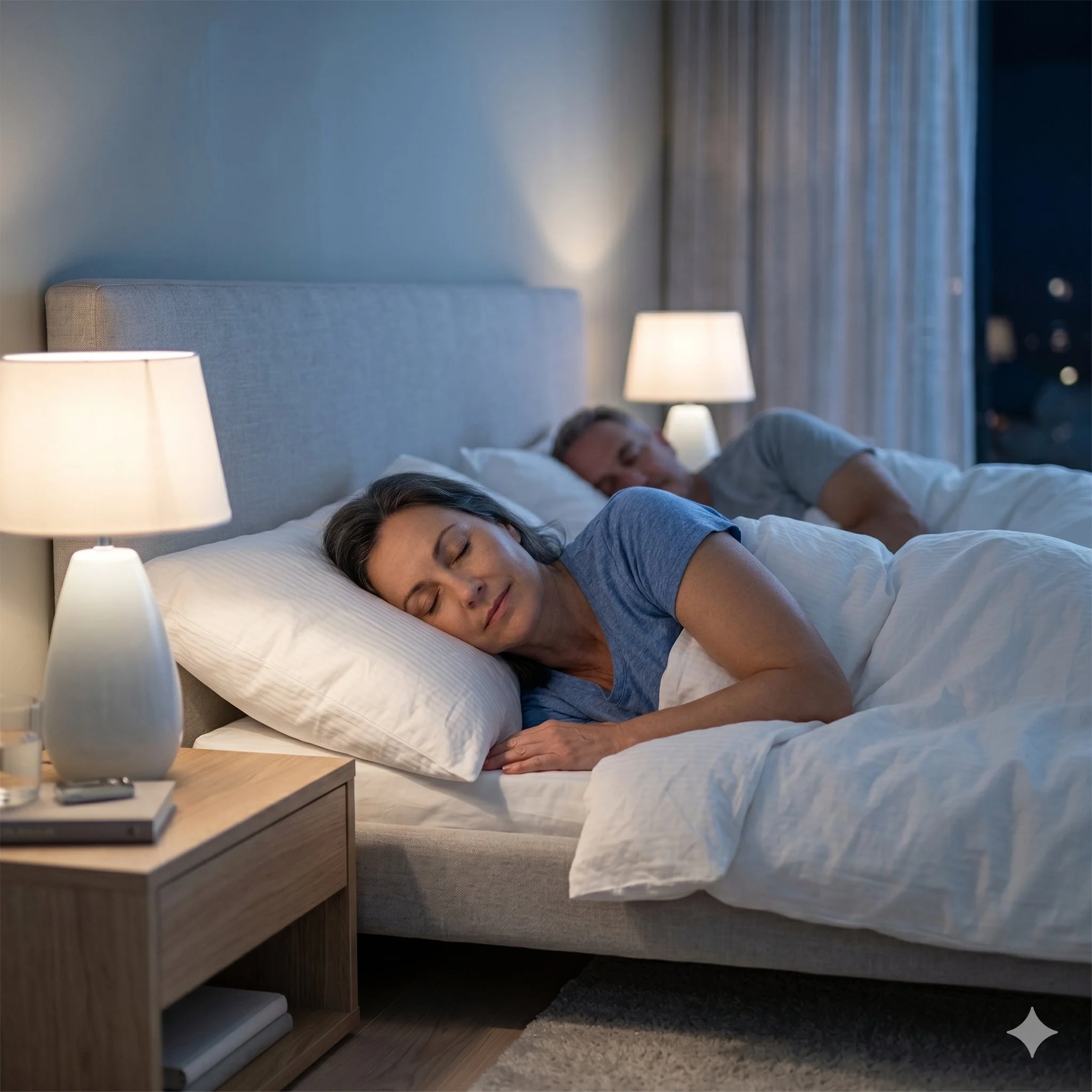
Take your tablets (the night before)
Three mild laxative tablets the night before. No liquid prep. Follow your clinic's dietary instructions. Just a light dinner.
-
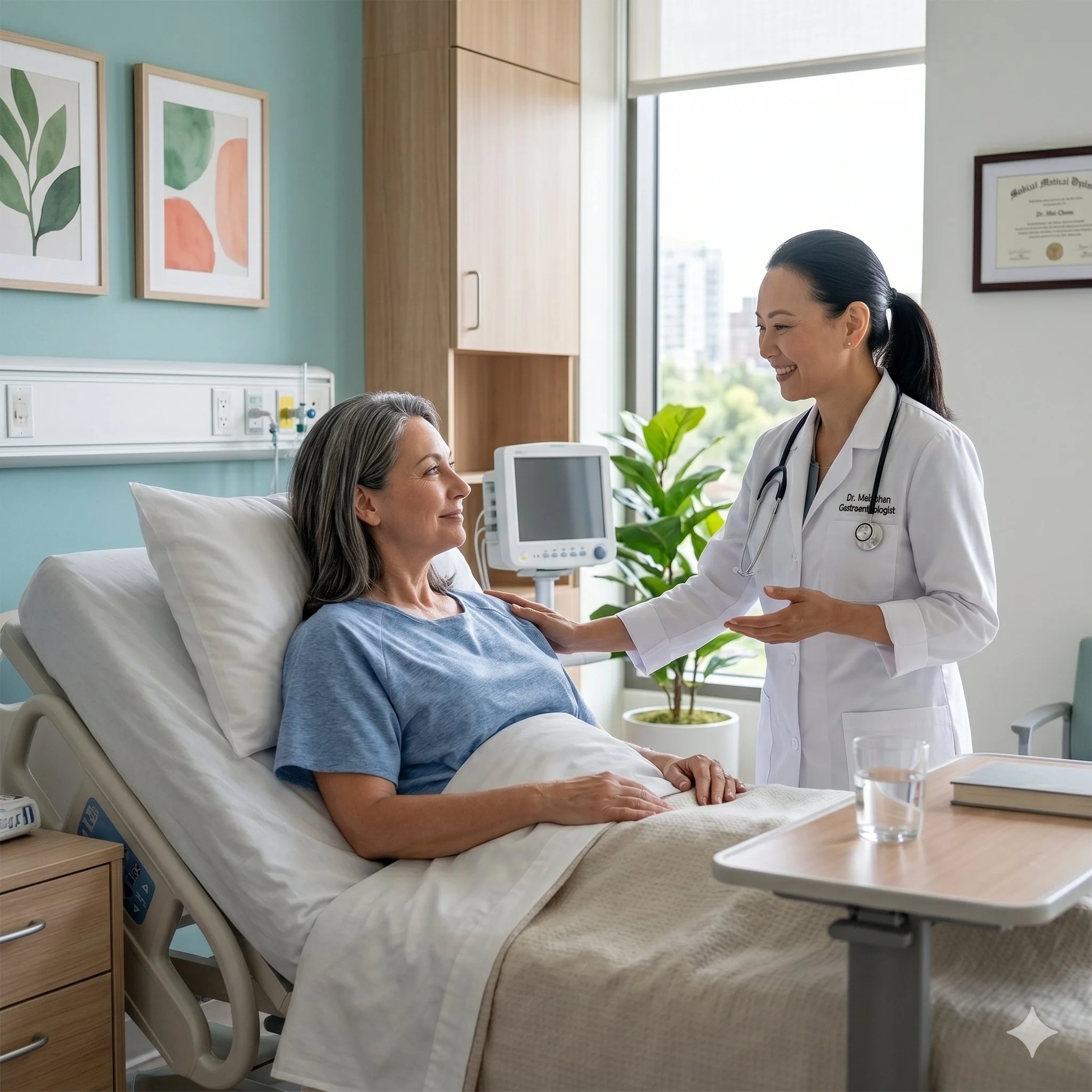
Arrive at your clinic
Come in the morning of your colonoscopy as you normally would. Your care team takes it from here.
-

Complete your ZeraFlow prep
Designed to complete prep in about 30 minutes before your procedure begins.

The numbers behind ZeraFlow
33 min
Zero
Median prep time, published clinical study⁸
Device-related serious adverse events⁹
98.4%
89.4%
enrolled patients completed the prep as defined by the protocol⁷
Prep adequacy rate⁶
WHO BENEFITS
Better prep. Better procedures.
For Patients
No large-volume liquid prep at home. No gallons. No disruption. In and out in about 30 minutes, fully supervised. Same-day return to normal activity (published clinical study).¹⁰
For Clinicians
Consistently reliable prep quality. Designed to reduce day-of cancellations. Cleaner procedures. Turn the prep step into a revenue step.
For Healthcare Systems
Designed to support higher screening completion rates by reducing prep-related avoidance, the most commonly cited barrier to colonoscopy. Fewer repeat procedures from inadequate preparation.¹¹
ZeraFlow is coming to clinics near you.
Be the first to know when ZeraFlow is available at a clinic in your area.
The ZeraFlow Colon Irrigation Kit is intended for mechanical cleansing of the colon when medically indicated, such as before radiological or endoscopic examination. The device is intended for prescription use only.
1 Vemulapalli KC, Lahr RE, Rex DK. 2021 Patient Perceptions Regarding Colonoscopy Experience. Journal of Clinical Gastroenterology. 2023;57(4):400-403. https://pubmed.ncbi.nlm.nih.gov/35324481/
2 Ziv Y, Scapa E. Techniques in Coloproctology. 2013;17:39-44. https://link.springer.com/article/10.1007/s10151-012-0876-8
3 In clinical evaluation, 1.6% of patients reported mild transient nausea. No severe pain or cramping was reported. Source: Ziv Y, Scapa E. Techniques in Coloproctology. 2013;17:39-44. https://link.springer.com/article/10.1007/s10151-012-0876-8
4 Source: Ziv Y, Scapa E. Techniques in Coloproctology. 2013;17:39-44. Excellent or good preparation quality in 89.4% of patients (n=125). https://doi.org/10.1007/s10151-012-0876-8
5 Strategies to Improve Inadequate Bowel Preparation for Colonoscopy https://pmc.ncbi.nlm.nih.gov/articles/PMC6857107/
6 Source: Ziv Y, Scapa E. Techniques in Coloproctology. 2013;17:39-44. Excellent or good preparation quality in 89.4% of patients (n=125). https://doi.org/10.1007/s10151-012-0876-8
7 Ziv Y, Scapa E. Techniques in Coloproctology. 2013;17:39-44. (123 of 125 patients completed the preparation process.) https://link.springer.com/article/10.1007/s10151-012-0876-8
8 Ziv Y, Scapa E. Techniques in Coloproctology. 2013;17:39-44. Median preparation time 33 minutes, range 20-60 min, n=125. https://link.springer.com/article/10.1007/s10151-012-0876-8
9 Ziv Y, Scapa E. Techniques in Coloproctology. 2013;17:39-44. https://link.springer.com/article/10.1007/s10151-012-0876-8
10 Ziv Y, Scapa E. Techniques in Coloproctology. 2013;17:39-44. All patients in the study returned to normal activities the same day. https://link.springer.com/article/10.1007/s10151-012-0876-8
11 Screening avoidance: McLachlan SA, Clements A, Austoker J. J Clin Oncol. 2009;27(Suppl):S15. https://ascopubs.org/doi/10.1200/jco.2009.27.15_suppl.s15 | Repeat procedures: Hassan C et al. PLOS ONE. 2016;11(1):e0147981. https://pmc.ncbi.nlm.nih.gov/articles/PMC8082895/